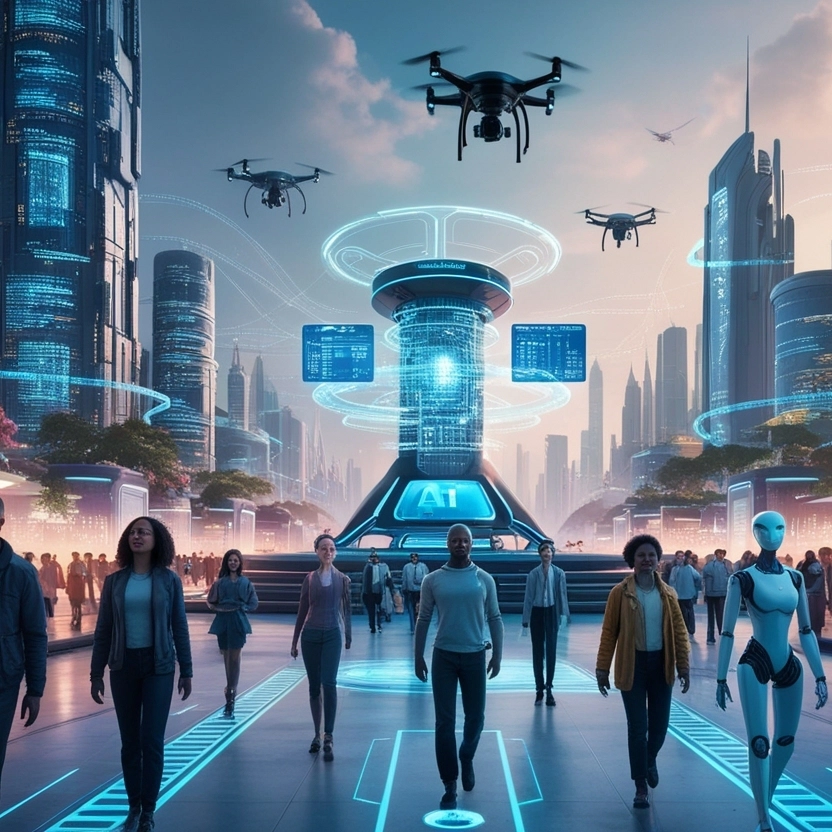
Artificial Intelligence (AI) is no longer a concept of science fiction. It is rapidly becoming one of the most powerful forces shaping our world today. From healthcare and education to transportation and entertainment, AI is revolutionizing how we live and work.
By 2030, experts predict that AI will be deeply integrated into nearly every aspect of human life. In this article, we explore how AI is expected to transform industries, improve productivity, and redefine the future.

AI in Everyday Life
AI is already part of our daily routine, often without us realizing it. Virtual assistants, recommendation systems, and smart devices are powered by AI algorithms.
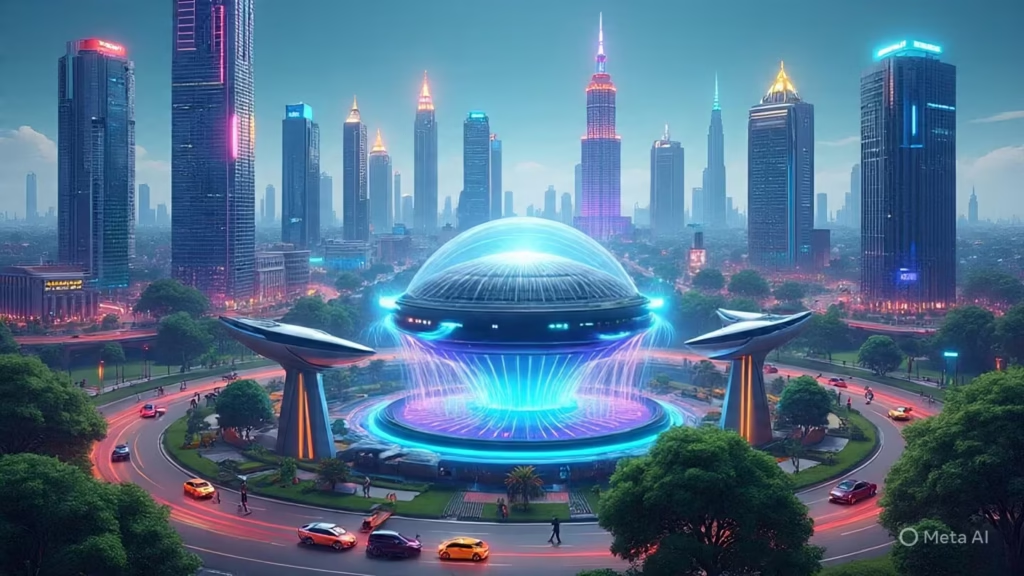
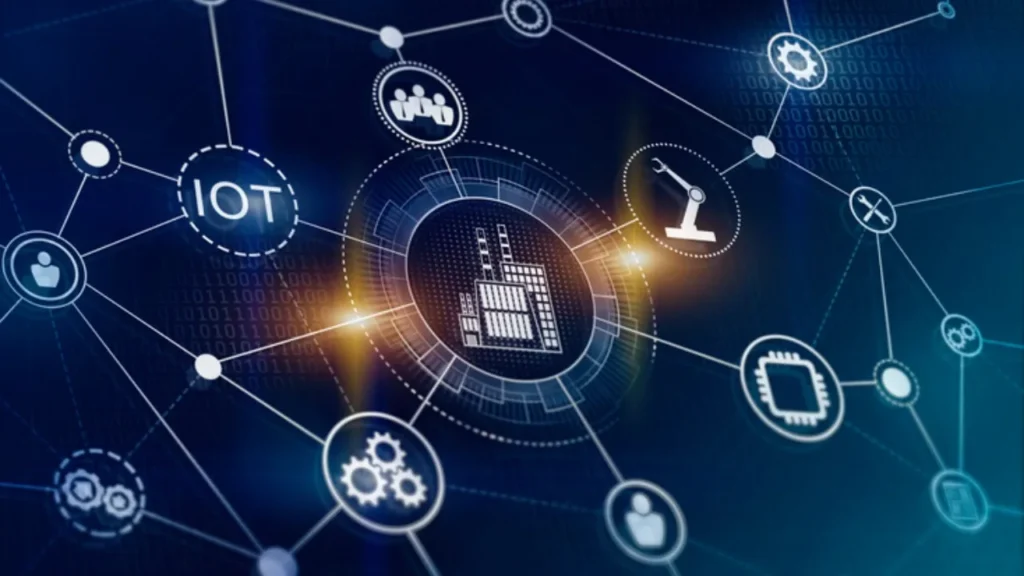
In the future, AI will become even more personalized. Smart homes will anticipate our needs, digital assistants will understand emotions, and devices will communicate seamlessly.
For example, your home may automatically adjust lighting, temperature, and even suggest meals based on your preferences and health data.
AI in Healthcare
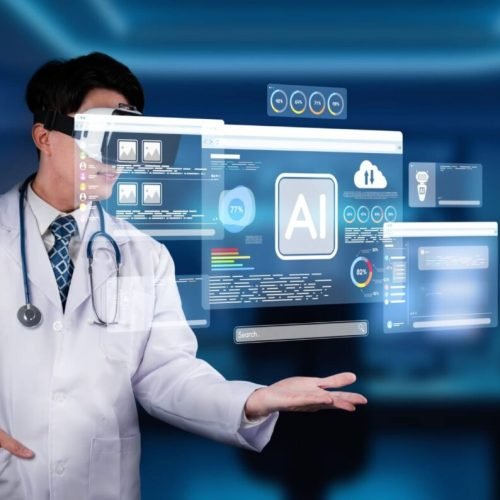
One of the most impactful areas of AI development is healthcare.
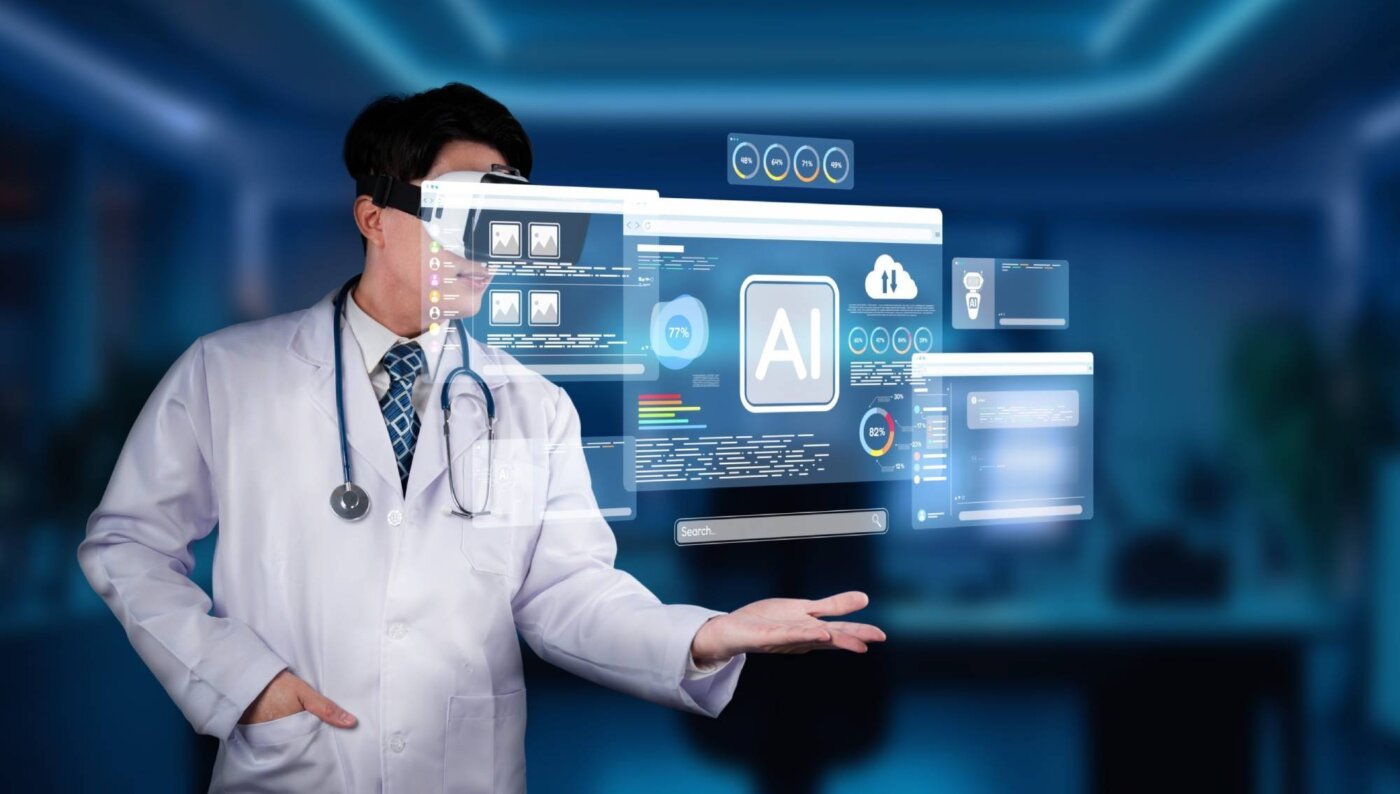
AI can analyze large amounts of medical data quickly and accurately, helping doctors diagnose diseases earlier. Machine learning models are already being used to detect cancer, predict patient outcomes, and assist in surgeries.
By 2030, AI could:
- Reduce diagnostic errors
- Enable personalized treatment plans
- Improve drug discovery
- Assist in remote healthcare
This means faster treatment and better outcomes for patients worldwide.
AI in Education
Education is also undergoing a major transformation thanks to AI.
AI-powered learning platforms can adapt to each student’s pace and learning style. This creates a personalized learning experience that improves understanding and retention.
In the future, classrooms may include:
- AI tutors available 24/7
- Automated grading systems
- Customized lesson plans
- Virtual reality learning environments
This will make education more accessible and effective.
AI in Business and Work
AI is changing the way businesses operate.
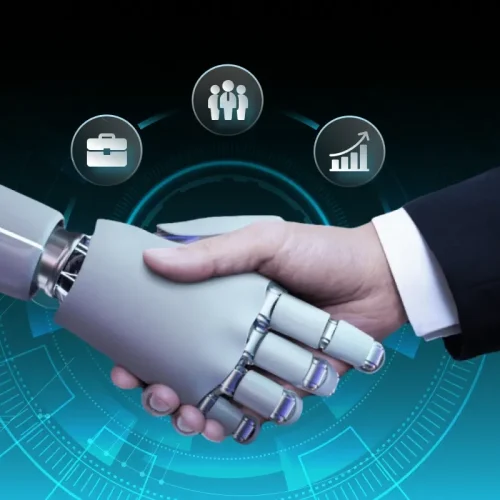
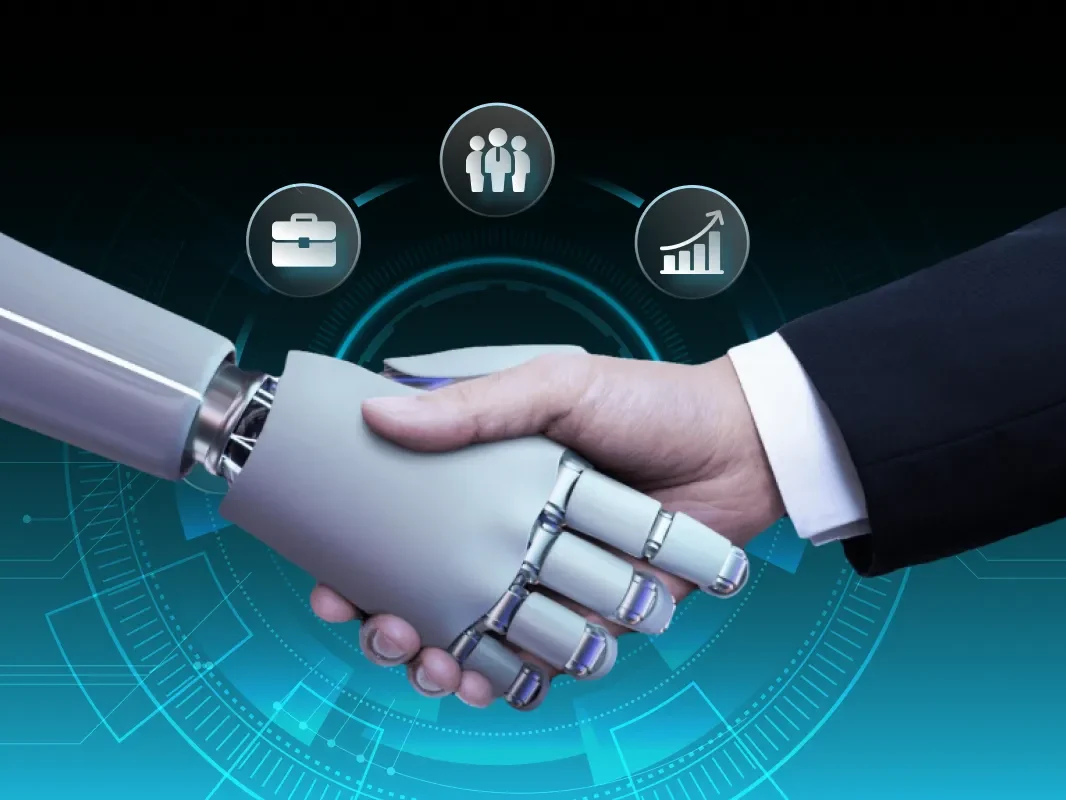
Companies are using AI to automate tasks, analyze data, and improve decision-making. This leads to increased efficiency and reduced costs.
However, AI will also change the job market. Some jobs will be replaced, but new opportunities will emerge in areas such as:
- AI development
- Data science
- Automation management
Workers will need to adapt by learning new skills.
AI and Transportation
Self-driving cars are one of the most exciting developments in AI.
Autonomous vehicles have the potential to:
- Reduce traffic accidents
- Improve transportation efficiency
- Lower fuel consumption
By 2030, self-driving technology may become widely adopted, transforming how we travel.
Ethical Challenges of AI
Despite its benefits, AI also raises important ethical concerns.
Some of the main challenges include:
- Data privacy
- Bias in AI algorithms
- Job displacement
- Security risks
It is essential to develop regulations and ethical guidelines to ensure AI is used responsibly.
Artificial Intelligence is shaping the future in ways we are only beginning to understand. By 2030, AI will be a central part of our lives, improving efficiency, enhancing decision-making, and creating new opportunities.
However, it is important to balance innovation with responsibility to ensure a positive impact on society.