


The “Great Coding Divide” is officially closing. For decades, the ability to build sophisticated software—let alone Artificial Intelligence—was a privilege reserved for those who spent years mastering languages like C++, Java, or Python. In 2026, we have entered the era of the “Citizen Developer.” This shift is powered by Low-Code AI Development.
By abstracting complex neural networks and data pipelines into visual, drag-and-drop interfaces, Low-Code AI Development is allowing business analysts, healthcare professionals, and small business owners to build custom AI solutions in hours rather than months. This guide explores the tools, benefits, and the strategic importance of adopting a low-code mindset in the autonomous economy.
1. What is Low-Code AI Development?
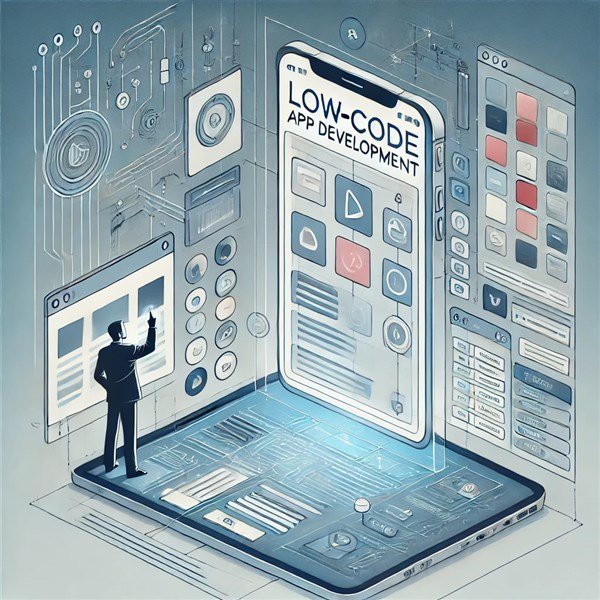
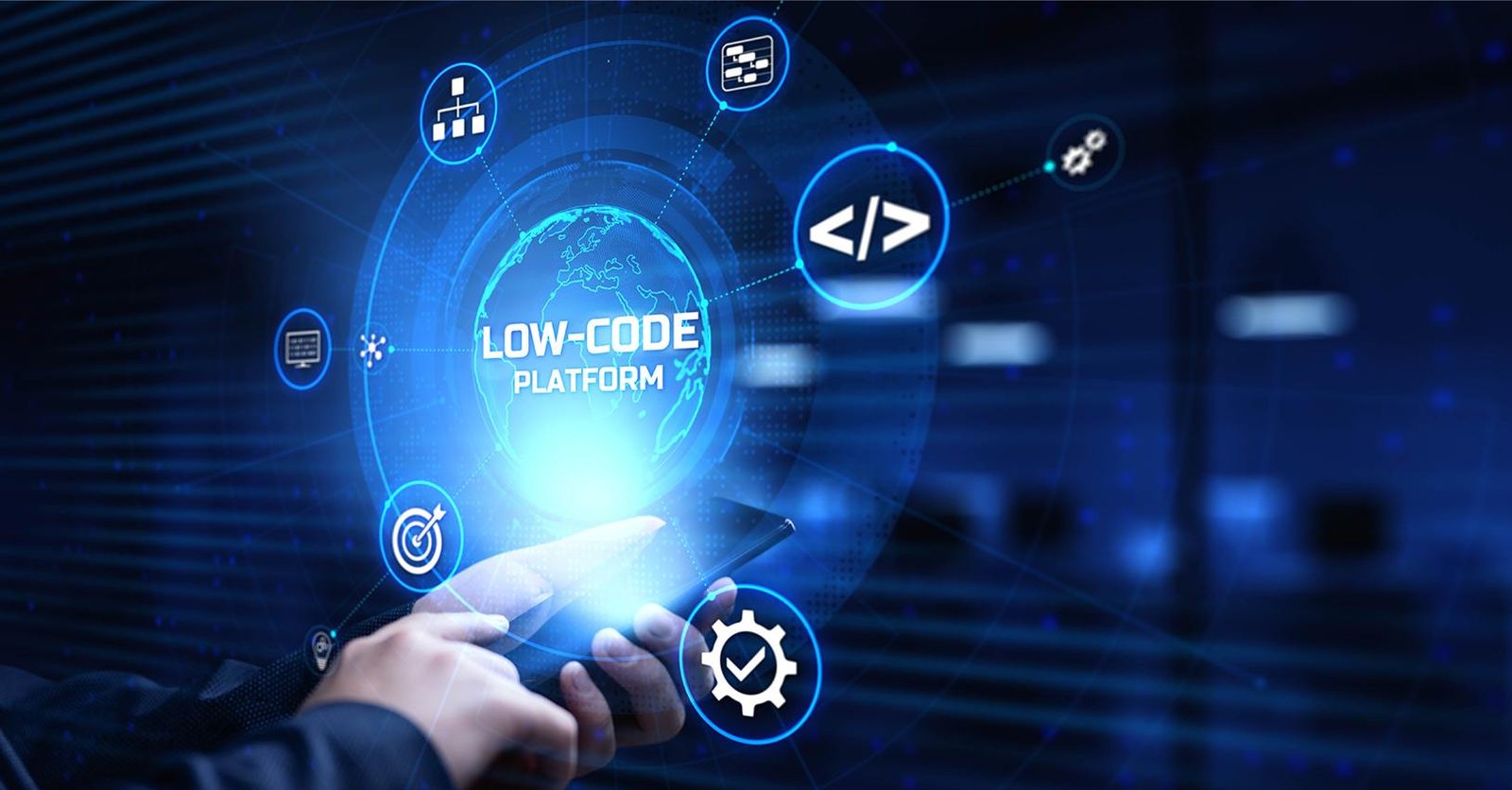
At its core, Low-Code AI Development is a software development approach that requires little to no manual coding to build AI-powered applications. It uses a graphical user interface (GUI) to orchestrate the Automated ML (AutoML) process.
The Anatomy of a Low-Code Platform
-
Visual Modeling: Instead of writing code, you connect “nodes” that represent data sources, processing logic, and AI models.
-
Pre-Built Connectors: Instant integration with tools like Salesforce, Slack, and Google Drive.
-
One-Click Deployment: Moving a model from a “Sandbox” to a live production environment with a single button.
2. Why Low-Code AI Development is Exploding in 2026
The demand for AI exceeds the supply of data scientists by a factor of ten. Low-Code AI Development is the only scalable solution to this “Talent Gap.”
The Speed-to-Market Advantage
In the modern market, being first is often more important than being perfect. Low-code platforms allow teams to iterate on ideas in real-time. If a marketing team wants to build a Predictive Analytics Model to identify customer churn, they can build a prototype, test it, and refine it before a traditional dev team would even finish the project documentation.
Reducing “Technical Debt”
Manual code is a liability; it must be maintained, patched, and updated. Low-code platforms handle the underlying infrastructure and security updates automatically, allowing businesses to focus on the logic of the application rather than the plumbing.
3. Top Low-Code AI Development Platforms in 2026
The landscape is divided into three main categories: Cloud Giants, Enterprise Suites, and Specialized Disruptors.
Microsoft Power Platform (AI Builder)
Microsoft has integrated Copilot and AI Builder into the entire Power Platform. This allows a standard Excel user to build a custom object-detection app or a sentiment analysis tool directly within their existing workspace.
Amazon SageMaker Canvas
AWS has simplified its heavyweight SageMaker tool into “Canvas,” a dedicated environment for Low-Code AI Development. It allows business analysts to generate highly accurate predictions by simply uploading a CSV file and selecting a target variable.
Bubble and AppGyver (The “No-Code” Disruptors)
For startups, tools like Bubble have integrated with OpenAI’s APIs to allow for the creation of full-scale AI SaaS products with zero code. You can now build the next “AI-powered CRM” by simply connecting the right visual components.
4. Key Use Cases: Where Low-Code AI Shines
Low-Code AI Development is not just for simple tasks; it is being used for high-stakes industrial applications.
Personalized Customer Support
Using low-code tools, support teams can build “Intent-Aware” bots. These bots don’t just search a FAQ; they can trigger a refund process or update a shipping address by interacting with the company’s ERP system through visual APIs.
Financial Risk Assessment
In 2026, local banks are using low-code platforms to build custom credit-scoring models that account for local economic conditions. Because the platform handles the Step-by-Step AI Implementation, the bank can remain compliant with regulations while moving faster than larger competitors.
Healthcare Triage Apps
Nurses and administrators are using Low-Code AI Development to build triage apps that analyze patient symptoms and direct them to the correct department. This reduces emergency room congestion and improves patient outcomes without requiring a massive IT budget.

See also
- The Velocity of Intelligence: A Master Guide to Real-time Data Processing in 2026
- The Backbone of Trust: A Definitive Guide to Data Governance Frameworks in 2026
5. The Role of Generative AI in Low-Code
The biggest trend of 2026 is “Generative Low-Code.” Instead of dragging and dropping blocks, you simply describe the app you want to build.
“Build me a dashboard that connects to our Shopify store, identifies the top 10% of customers by lifetime value, and generates a personalized discount code for them.”
The Low-Code AI Development platform then generates the visual logic and connections automatically. This “Natural Language Development” is the final bridge between human intent and computer execution.
6. Addressing the “Shadow IT” Risk
The ease of Low-Code AI Development brings a significant risk: “Shadow IT”—where employees build and deploy AI tools without the knowledge or approval of the IT department.
The Need for Governance
Organizations must implement “Guardrails.” This includes:
-
Data Masking: Ensuring the low-code tool doesn’t have access to unencrypted sensitive data.
-
Audit Logs: Keeping track of who built what and which models are being used for critical decisions.
-
Centralized Model Management: Using a “Center of Excellence” to vet the accuracy of low-code models before they go live.
7. Performance and Scaling: Can Low-Code Handle the Load?
A common myth is that low-code tools are only for small-scale projects. In 2026, this is no longer true.
High-Performance Backends
Modern low-code platforms are built on Kubernetes and Docker, allowing them to scale automatically as traffic increases. When it comes to Hardware Performance Comparison, a well-optimized low-code application can rival a hand-coded one, especially when utilizing Edge Computing Trends to process data locally.
8. Learning Low-Code: A Career Path for the Future
Is learning to code still worth it? Absolutely. But the entry point has changed.
-
Understand Data Logic: You don’t need to know Python syntax, but you do need to understand how data flows from point A to point B.
-
Master Prompt Engineering: Learning how to talk to the Generative AI that powers the low-code platform is the “New Coding.”
-
Focus on UX and Strategy: With the “how” of development taken care of, the “what” and “why” become the most valuable skills.
9. The Future: From Low-Code to No-Code to “Autonomous-Code”
As we look toward 2027, Low-Code AI Development will evolve into “Autonomous-Code.” We will see Agentic AI Systems that not only build the apps we ask for but proactively identify problems in our business and build the tools to fix them before we even ask.
10. Conclusion: Empowering the Next Billion Creators
Low-Code AI Development is the ultimate equalizer. It removes the gatekeepers of innovation and puts the power of Artificial Intelligence into the hands of those who understand the problems best—the end users.
For businesses, the choice is simple: empower your employees with low-code tools, or get left behind by competitors who can innovate ten times faster. The future is visual, it is conversational, and it is low-code.