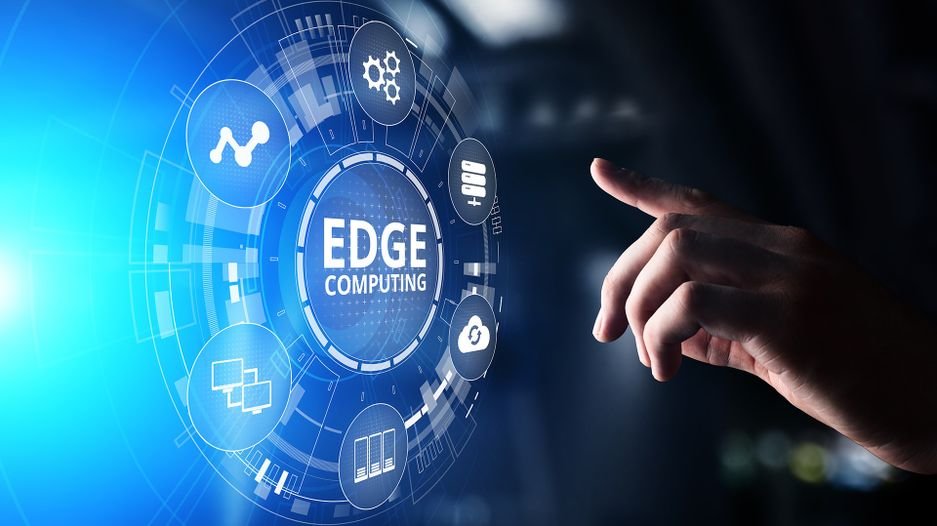
For the past decade, the “Cloud” was the undisputed king of data processing. However, as we move through 2026, the center of gravity has shifted. We are witnessing the decentralization of the internet. The rise of autonomous vehicles, real-time AI agents, and industrial automation has made “latency” the enemy of progress.
This shift has propelled Edge Computing Trends to the forefront of the global tech agenda. By moving computation away from centralized data centers and closer to the source of data—be it an IoT sensor, a smartphone, or a smart factory—we are unlocking speeds and efficiencies previously thought impossible.
In this comprehensive guide, we analyze the most significant Edge Computing Trends of 2026, exploring how “local intelligence” is powering the next industrial revolution.
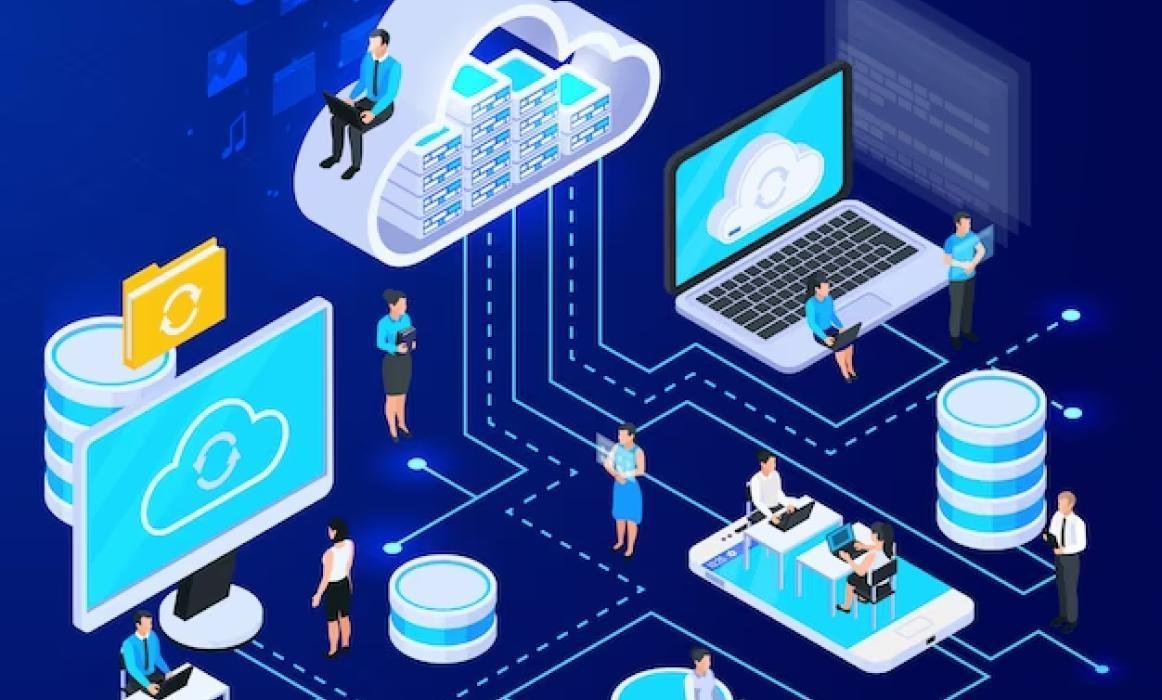
1. The Rise of AI at the Edge (Edge AI)
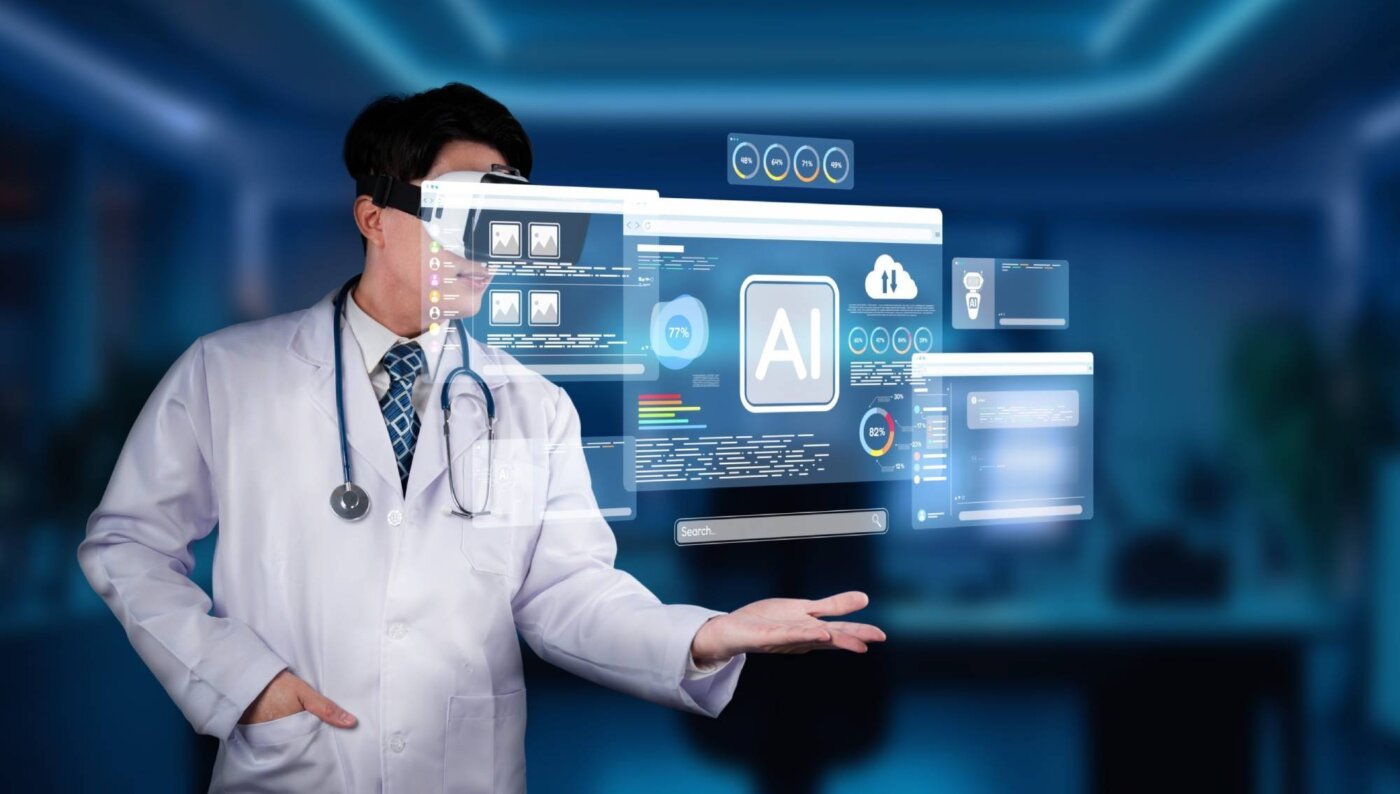
The most dominant of all Edge Computing Trends is the integration of Artificial Intelligence directly into edge hardware. In 2025, AI lived in the cloud; in 2026, AI lives on the device.
Real-Time Decision Making
With the advent of high-performance NPUs (Neural Processing Units) in mobile and industrial chips, devices can now run Large Language Models (LLMs) and computer vision algorithms locally. This eliminates the “round-trip” time to the cloud, allowing an autonomous drone or a robotic surgeon to make decisions in microseconds.
Privacy-First AI
Edge AI enhances security by ensuring that sensitive data—such as medical records or home security footage—never leaves the local network. According to research from Gartner, by 2027, over 50% of enterprise-managed data will be created and processed outside a traditional centralized data center or cloud.
-
ALT text: Edge AI computing architecture showing local data processing on a smart device.
-
Description: A technical diagram illustrating how data is ingested, processed via a local NPU, and acted upon without cloud intervention.
2. 5G and 6G Integration: The Connectivity Catalyst
Edge computing cannot exist in a vacuum; it requires high-bandwidth, low-latency connectivity. The maturity of 5G-Advanced and early 6G pilots are major Edge Computing Trends.
Network Slicing
Telecommunications providers are using “Network Slicing” to dedicate specific lanes of 5G traffic to edge applications. This ensures that a self-driving car’s navigation data has priority over a passenger’s Netflix stream, guaranteeing safety through consistent connectivity.
The 6G Horizon
While 6G is still in its infancy, 2026 marks the first real-world tests of sub-terahertz frequencies. This will eventually allow edge devices to communicate at speeds of 1 Terabit per second, making “instantaneous” global data synchronization a reality.
3. Industrial Edge (IIoT) and Smart Manufacturing
The manufacturing sector is currently the largest consumer of edge technology. In the “Industry 5.0” era, Edge Computing Trends are focused on the “Digital Twin.”
Predictive Maintenance 2.0
Sensors on a factory floor now process vibration and thermal data at the edge. Instead of sending raw data to the cloud, the edge gateway only sends an alert when it detects the specific signature of a failing bearing. This reduces cloud storage costs by 90% and prevents catastrophic machine failures.
Worker Safety and Augmented Reality
Wearable edge devices are now monitoring worker vitals and environmental hazards in real-time. If a hazardous gas leak is detected, the worker’s AR headset provides an immediate escape route, processed entirely at the edge to ensure zero-lag guidance.
-
ALT text: Industrial Edge Computing (IIoT) implementation in a modern smart factory.
-
Description: A visualization of a manufacturing plant where industrial robots are coordinated by local edge servers for maximum efficiency.
4. Edge-to-Cloud Orchestration (The Hybrid Model)
A common misconception is that the edge will replace the cloud. In reality, the trend is toward “Seamless Orchestration.”
The “Fog” Layer
We are seeing the rise of “Fog Computing,” a middle layer that aggregates data from multiple edge devices before sending a summarized version to the central cloud. This hierarchical structure allows for:
-
Edge: For immediate action (0-5ms latency).
-
Fog: For regional analysis (10-50ms latency).
-
Cloud: For long-term storage and heavy model training (100ms+ latency).
Serverless at the Edge
Developers are increasingly using “Edge Functions” (Serverless computing). Platforms like Cloudflare Workers and AWS Lambda@Edge allow code to run at the “Point of Presence” (PoP) closest to the user, drastically improving website load times and API responsiveness.
See also
- The Executive Roadmap: A Step-by-Step AI Implementation Guide for 2026
- The Crystal Ball of Data: Mastering Predictive Analytics Models in 2026
- The Backbone of Trust: A Definitive Guide to Data Governance Frameworks in 2026
- The Green Revolution: Leading Sustainable Tech Innovation Trends in 2026
5. Security Challenges: Securing the Decentralized Perimeter
As the number of edge devices grows, so does the “Attack Surface.” Security is one of the most critical Edge Computing Trends of the year.
Zero Trust Edge (ZTE)
Traditional perimeter security is dead. In 2026, companies are adopting Zero Trust Edge architectures. Every device, regardless of its location, must be continuously authenticated. This is crucial for “Edge-of-Network” devices like smart meters and traffic lights, which are physically vulnerable to tampering.
Confidential Computing
Hardware-level encryption, such as Intel SGX, is being used at the edge to create “Trusted Execution Environments” (TEEs). This ensures that even if a device is physically compromised, the data being processed remains encrypted and inaccessible.
6. Sustainable Tech: Green Edge Computing
The environmental impact of massive data centers is a growing concern. Edge computing offers a more sustainable path.
-
Reduced Data Transport: Moving petabytes of data across the globe consumes massive amounts of energy. By processing data locally, we significantly reduce the carbon footprint of our digital infrastructure.
-
Energy-Harvesting Edge Devices: We are seeing a trend toward “Zero-Power Edge Nodes” that run on solar, thermal, or kinetic energy, allowing for remote environmental monitoring without the need for batteries or power grids.
-
ALT text: Sustainable green edge computing device using renewable energy for data processing.
-
Description: A high-tech sensor located in a forest, illustrating the use of energy-harvesting technology for remote edge nodes.
7. Edge Computing in Retail: The “Just Walk Out” Era
Retailers are using Edge Computing Trends to battle e-commerce.
Computer Vision for Loss Prevention
Edge-powered cameras can now distinguish between a customer putting an item in their pocket and someone just checking the label. This happens in real-time, allowing staff to intervene before a theft occurs.
Interactive “Magic Mirrors”
Smart mirrors in fitting rooms use edge computing to overlay different outfits on a customer’s reflection. Because the processing is local, the AR overlay is perfectly synced with the customer’s movements, creating a seamless shopping experience.
8. The Sovereign Edge: Data Localization Laws
Geopolitics is influencing technology. Many countries are passing laws requiring that the data of their citizens remain within national borders. Edge Computing Trends are helping multinational corporations comply with these “Data Sovereignty” laws by processing and storing data on local edge servers within the country of origin.
9. Hardware Innovations: Chips Built for the Edge
The “General Purpose” CPU is being replaced by specialized silicon.
-
RISC-V at the Edge: The open-source RISC-V architecture is exploding in popularity for edge devices because it allows manufacturers to design custom, low-power chips without expensive licensing fees.
-
Neuromorphic Computing: Scientists at MIT and IBM are developing chips that mimic the human brain’s architecture, allowing for hyper-efficient AI processing at a fraction of the power of traditional GPUs.
10. Conclusion: Living on the Edge
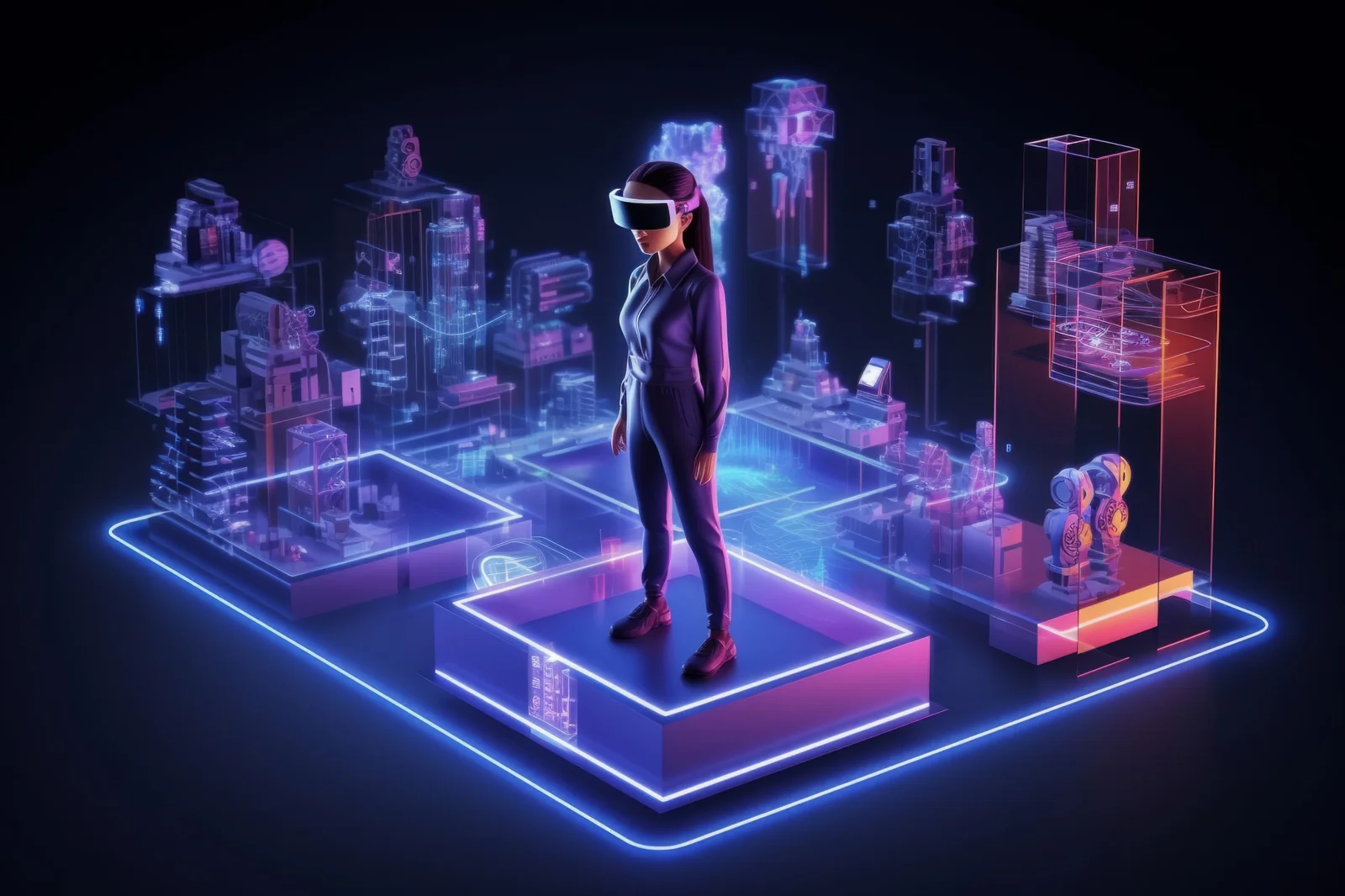
The transition to the edge is not just a technical upgrade; it is a fundamental shift in how we interact with the digital world. The Edge Computing Trends of 2026 show us a future where technology is invisible, instantaneous, and intelligent.
As 5G matures and AI becomes localized, the “Cloud” will become the “Library”—a place for storage and deep thought—while the “Edge” will become the “Central Nervous System”—the place where action happens. For businesses and developers, the message is clear: if you want to compete in 2026, you need to bring your intelligence to the edge.